
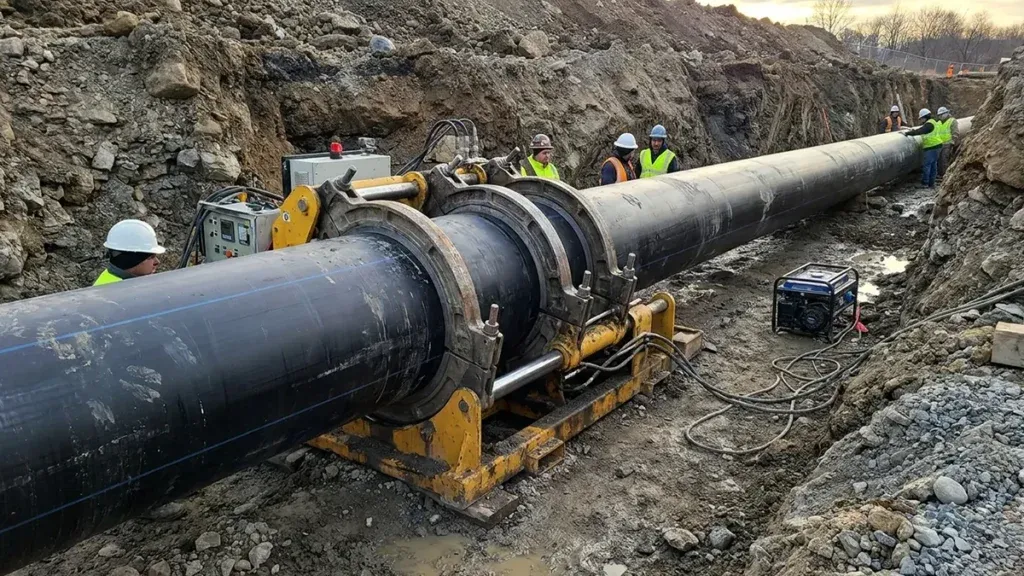
Highdensity polyethylene (HDPE) pipes are widely used in water supply, tailings pipeline, mining, mineral processing and other abrasive fluidhandling applications. For site engineers, traditional buttfusion welding brings realworld challenges: heavy fusion equipment requirements, weathersensitive welding quality, and permanent joints hard to disassemble for maintenance.
Choosing the right joining method directly determines installation efficiency, system reliability and longterm maintenance cost.
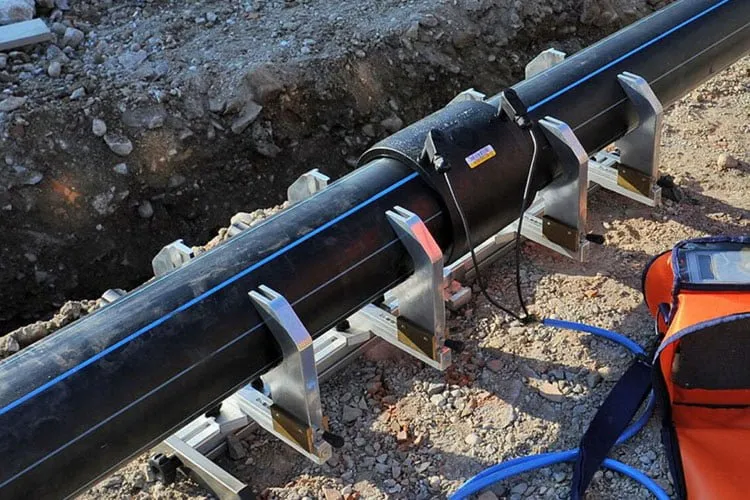
Butt fusion and electrofusion are established proven methods for joining HDPE pipes. In many mining and fieldrepair scenarios, however, a mechanical coupling provides a practical alternative — especially when pipe sections need fast connection, working space is restricted, or joints require periodic opening for inspection or maintenance.
This guide explains how mechanical couplings for HDPE pipes work, typical application scenarios, and key parameters you need to confirm before specifying a mechanical coupling.
What Is an HDPE Pipe Mechanical Coupling?
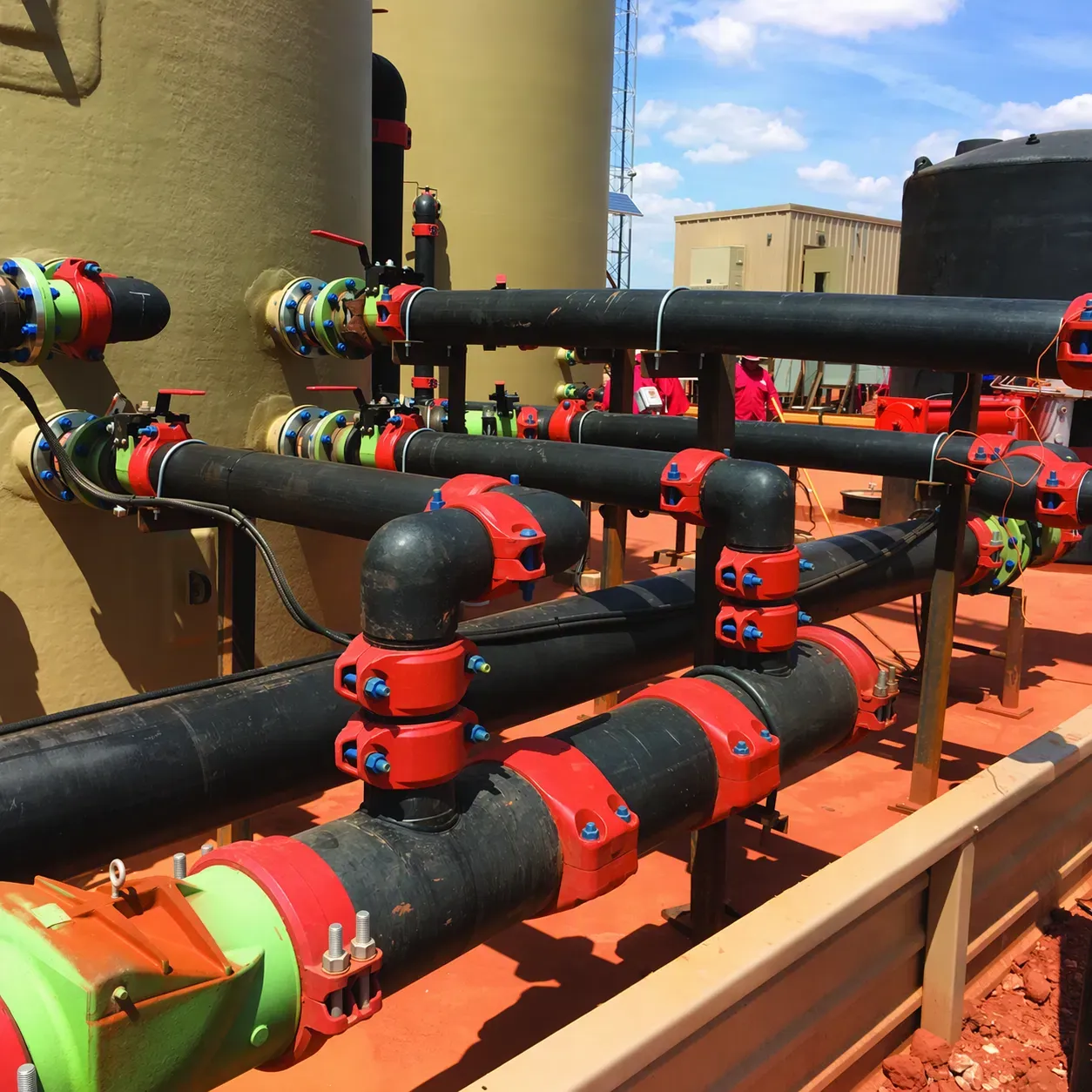
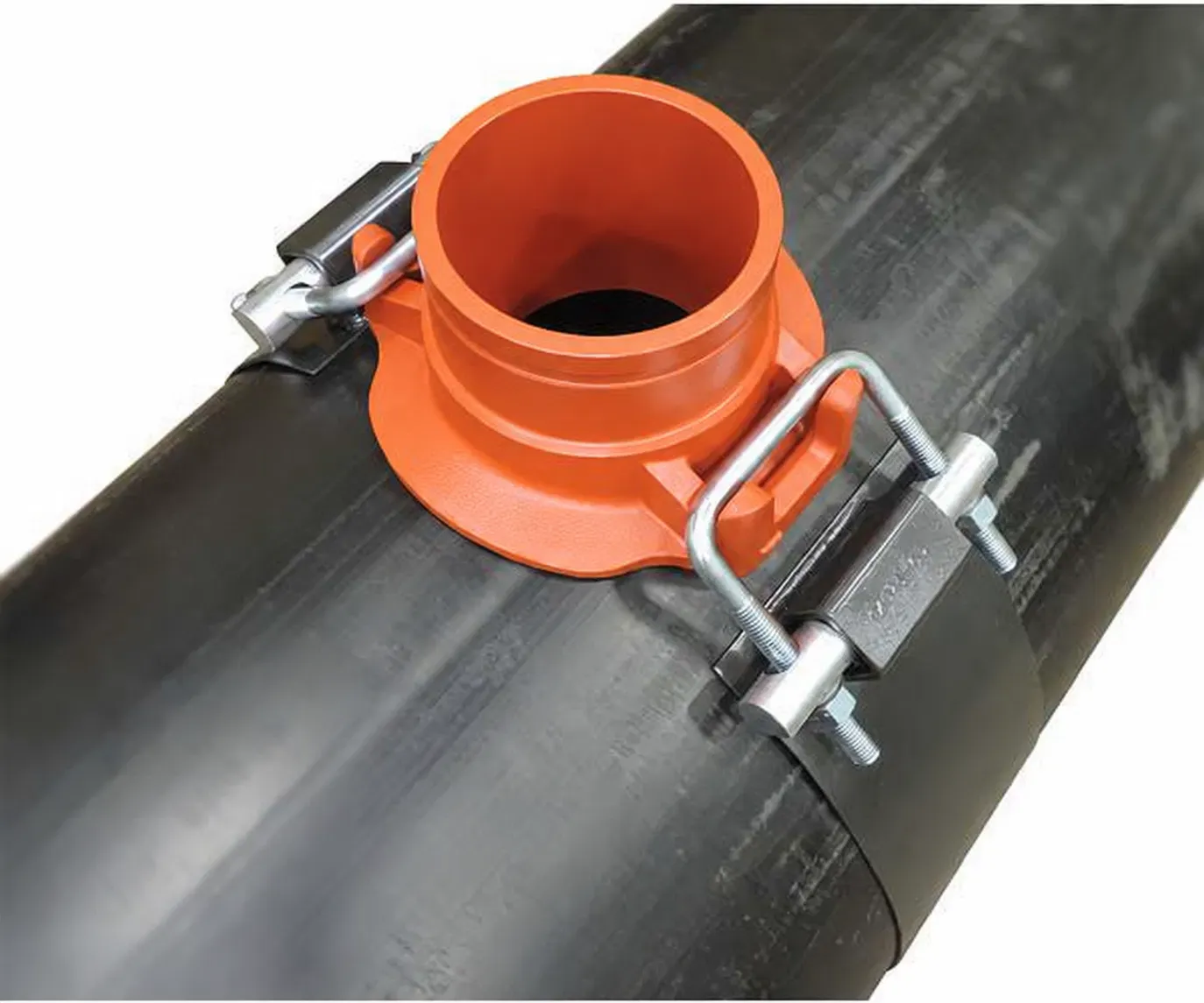
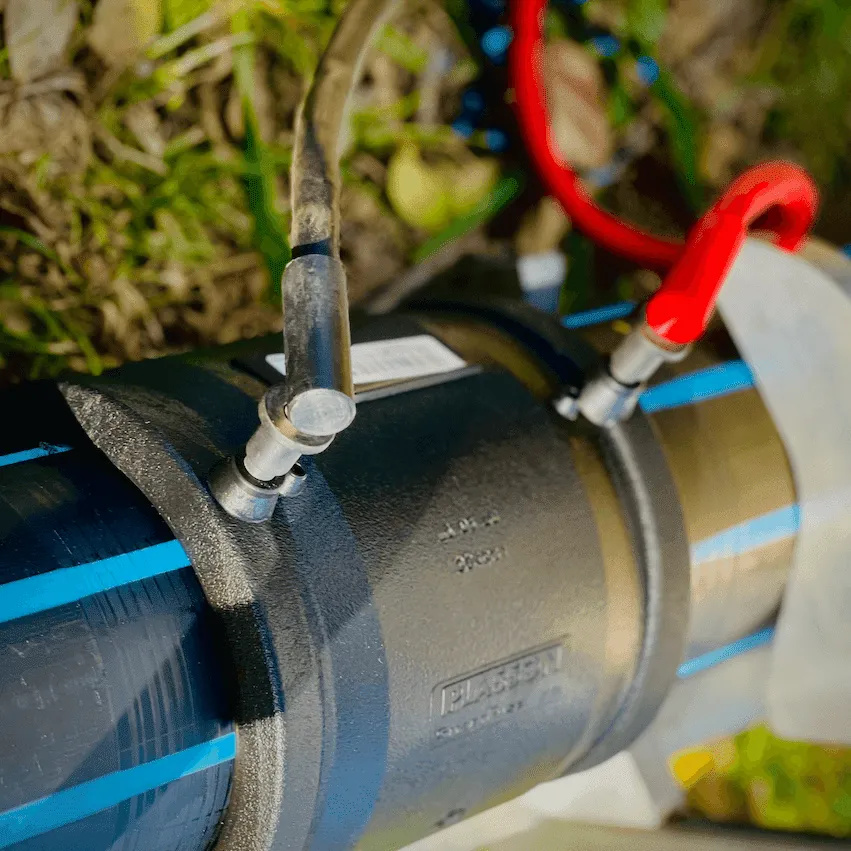
An HDPE pipe mechanical coupling is a fitting designed to join compatible plainend pipe ends through a mechanical housing and a sealing arrangement, rather than by fusing the pipe material. Depending on the product design, the coupling may use an EPDM gasket to provide a seal and serrated grip rings or other restraint features to help secure the pipe against pullout forces.
Mechanical couplings are not all interchangeable. A coupling must be specifically designed and approved for the pipe material, outside diameter, wall thickness or SDR/DR, service conditions and intended joint function. A coupling intended for steel pipe should not be assumed suitable for HDPE pipe.
How Does a Mechanical Coupling Connect HDPE Pipes?
In a typical plainend mechanical joint, compatible pipe ends are prepared and positioned according to the manufacturer’s instructions. The gasket and coupling housing are installed, and the fasteners are tightened using the specified procedure. The gasket provides the seal, while the coupling’s designed gripping or restraint mechanism helps resist pipe movement where that function is required.
The exact assembly sequence, permitted pipeend condition, gasket lubricant, fastener torque and restraint requirements vary by product. Always follow the current installation instructions for the specific coupling. Correct installation is essential to longterm joint performance.
Mechanical Couplings vs. Fusion Joining
Fusion joining creates a permanent joint by heating and fusing compatible HDPE surfaces. Mechanical joining connects pipe ends with a purposedesigned fitting and sealing system. Neither method is best for every project; selection should be based on design requirements and site conditions.
|
Consideration |
Mechanical coupling |
Fusion joining |
|
Installation equipment |
May avoid the need for fusion equipment; tools depend on the coupling design. |
Requires suitable fusion equipment and controlled joining procedures. |
|
Disassembly and maintenance |
Some designs can be disassembled for maintenance; confirm whether the selected joint is reusable and how it should be serviced. |
Normally a permanent joint; changes often require cutting and rejoining the pipe. |
|
Site constraints |
Can be useful where access, equipment movement or fusion setup is difficult. |
Requires suitable access and weather conditions for the fusion process. |
|
Joint design |
Depends on the coupling, gasket, restraint features and installation procedure. |
Depends on pipe compatibility, surface preparation and controlled fusion parameters. |
|
Cost evaluation |
Consider coupling cost, installation time, hand tools and future maintenance access. |
Consider equipment rental, labour, surface preparation, cooling time and overall project scale. |
Where Can HDPE Mechanical Couplings Be Useful?
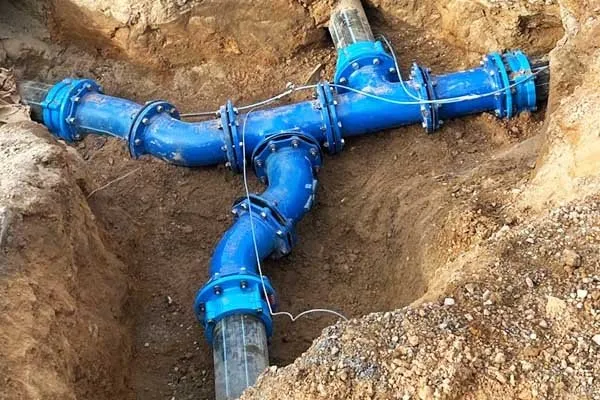
Mining and mineral processing / tailings pipeline: Piping systems may require maintenance access, changes to equipment connections or replacement of selected pipe sections. Confirm that the coupling, pipe and complete system meet the project’s pressure, abrasive media and applicable minesite requirements.
Water and industrial piping: Mechanical couplings may be considered for compatible HDPE pipework where maintenance access or poor installation conditions make a mechanical joint practical.
Repair, modification and extensions: A suitable coupling may simplify the connection of compatible pipe ends during emergency repair or system modification. The pipe must be safely isolated, depressurized and prepared in accordance with site safety procedures.
Connections near valves and equipment: A mechanical joint or a suitable transition fitting may help connect HDPE piping to other system components. Confirm required end connection, load support and material compatibility before placing orders.
Key Benefits to Evaluate
Reduced dependence on fusion equipment: depending on the joint design, installation may be completed with standard or specified fastening tools.
Potentially simpler maintenance: selected mechanical joints can be opened or replaced, subject to product design and safe isolation procedures.
Practical installation in constrained locations: a mechanical coupling may be useful where it is difficult to position heavy fusion welding equipment.
Flexible system design: purposedesigned couplings and transition fittings can support connections between compatible pipe sections or different connection types.
Installprocess that can be visually inspected: installers can check pipe insertion depth, gasket positioning and fastener tightening against the manufacturer’s instructions.
These are potential advantages, not universal guarantees. Actual installation time, service life and performance depend on the product, pipe specification, installation quality and realworld operating conditions.
How to Select the Right HDPE Pipe Coupling
Before requesting a quotation, confirm the following information:
Pipe outside diameter (OD) and dimensional system.
Pipe material grade and SDR/DR or wall thickness.
Required coupling type: straight connection, transition, branch connection or another configuration.
Working pressure, possible pressure surges and operating temperature.
Fluid or slurry being conveyed, including relevant chemical or abrasive characteristics.
Installation environment, available access and whether future disassembly is required.
Applicable project standards, approvals and certification requirements.
Quantity, delivery location and expected delivery schedule.
Do not select a coupling by nominal diameter alone. The actual outside diameter, pipe dimension series and permitted SDR/DR range must match the coupling manufacturer’s requirements.
Pressure Rating and Compatibility: What Should Be Checked?
The allowable working pressure of a piping system cannot be determined from the pipe SDR alone or from the coupling body alone. The selection must account for the ratings and limitations of the pipe, coupling, gasket and other components, as well as operating temperature, conveyed medium, external loads, transient pressure and applicable design rules. Always follow the system’s governing limits and the manufacturer’s current technical documentation.
For abrasive slurry, tailings, mining service or other demanding applications, also assess wear performance, chemical compatibility, pipe support spacing, pipeline vibration, axial loads and the potential consequences of leakage. Where the installation is subject to minesafety regulations, confirm that the proposed pipe and joint arrangement meets relevant site and jurisdictional requirements.
Common Mistakes to Avoid
Assuming a coupling for steel pipe can also be used on HDPE pipe.
Choosing by DN alone without checking actual pipe outside diameter and SDR/DR.
Assuming every mechanical coupling is fully restrained or suitable for high axial pullout loads.
Using a pressure rating without checking temperature, conveyed medium and complete system configuration.
Applying generic installation torque, lubricant or tightening sequence instead of productspecific instructions.
Assuming a mechanical joint automatically satisfies mining approvals or other project certifications.
Using soap or dishwashing liquid as gasket lubricant; only siliconebased lubricant is permitted for EPDM gaskets.
Frequently Asked Questions
Can HDPE pipes be joined with mechanical couplings?
Yes, provided the coupling is specifically designed and approved for the pipe dimensions, material grade and service conditions. Always verify the manufacturer’s compatibility statement and installation requirements.
Are HDPE mechanical couplings reusable?
Some designs can be disassembled, but reuse of the coupling body, gasket or fasteners depends fully on product instructions and component physical condition. Do not assume every part can safely be reused after disassembly.
Are mechanical couplings better than butt fusion?
Not in every situation. Fusion welding is suitable for permanent buried pipeline joints, while mechanical couplings bring advantages where limited access, poor site conditions or future maintenance requirements favour a mechanical connection.
How do I confirm the correct coupling size?
Provide the actual pipe outside diameter, SDR/DR or wall thickness, required connection type, working pressure, operating temperature and conveyed medium. Nominal DN diameter alone is not sufficient for correct selection.
Can HDPE mechanical couplings be used in mining applications?
Potentially yes, subject to the specific coupling and pipe pressure ratings, conveyed media, site conditions and local minesafety requirements. Confirm all required approvals and system limitations before field installation.
Looking for an HDPE Mechanical Coupling for Your Project?
GoldDrill supports piping applications with professional product selection and technical communication for projectspecific requirements.
To help our engineering team assess a suitable connection solution, please provide:
Pipe outside diameter
SDR/DR or pipe wall thickness
Working pressure
Operating temperature
Conveyed medium (water, slurry, tailings etc.)
Application scenario
Required quantity
Shandong GOLDDRILL manufactures high-performance HDPE plain end couplings specifically engineered for mining, tailings, slurry and industrial water pipeline projects. Our couplings adopt heavy-duty serrated grip rings and EPDM rubber gaskets, providing reliable pull-out resistance and leak-tight sealing under vibration, abrasive media and fluctuating pressure conditions. Available for a wide range of HDPE pipe OD and SDR/DR specifications, GoldDrill plain end mechanical couplings eliminate the need for butt fusion, enabling fast on-site assembly in confined or remote mine sites. Every coupling undergoes strict factory testing to meet the demanding requirements of mineral processing and tailings transportation systems.
Contact our team to discuss your HDPE pipe connection requirements and request product datasheets or a formal quotation.
Note: Final selection must be confirmed against actual pipe dimensions, site operating conditions, project specifications and the selected product’s latest technical documentation.