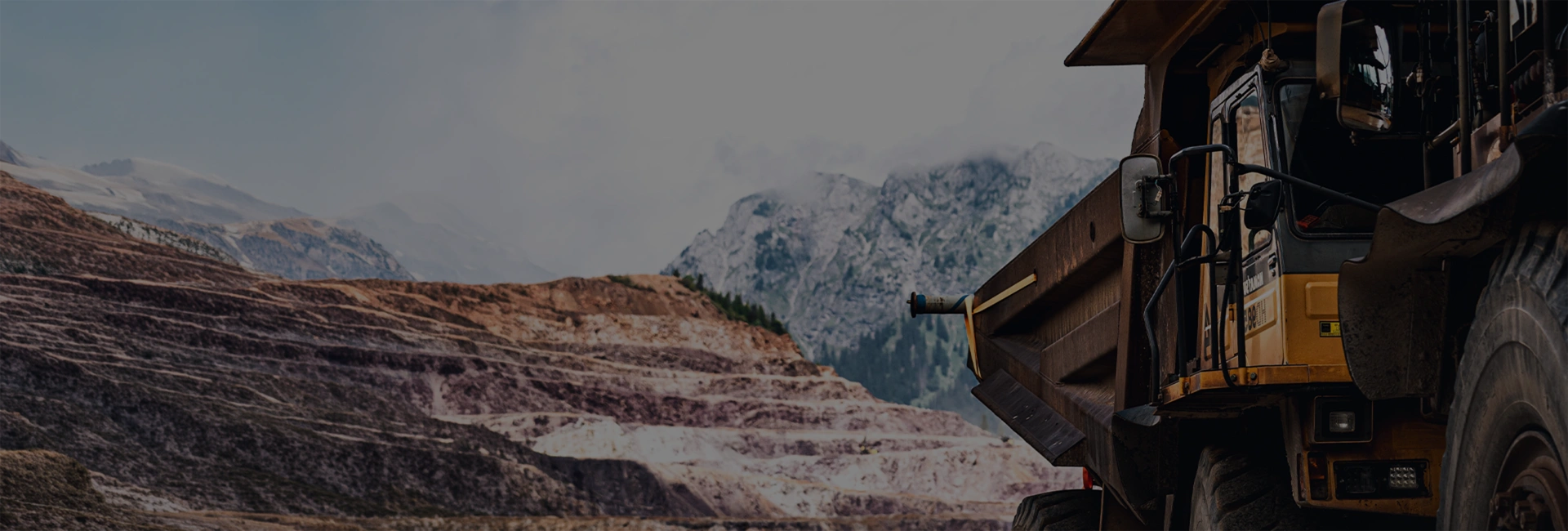
In mine filling projects, pipeline selection is rarely based only on material prices. Pipelines need to transport paste, tailings or bonding filling slurry in vertical wells, lanes and height-changing areas. At the same time, they may also be affected by factors such as solid particle wear, pressure fluctuations, surrounding rock displacement and limited underground maintenance space.
Therefore, a suitable mine pipeline system usually does not use only one pipe for the whole line. In areas where strong impact resistance is required, steel pipes can be used; in the longer underground conveying section, lighter composite pipes can be considered; in the position of serious slurry wear, lining hoses or wear-resistant composite tubes can be configured. The final choice depends on the actual working conditions of each section of the mine pipeline system.
Clarify the operating conditions of the pipeline first.
Before comparing different materials, the solid concentration, particle size, flow rate, slurry density, height change, design pressure and estimated operating time should be determined. The pipeline is equally important. Underground mine pipelines may face limited maintenance channels, limited lifting capacity, and small-scale displacement or displacement caused by the movement of surrounding rocks.
The pipe diameter should be determined in combination with the flow rate. Larger pipe diameters usually help reduce friction and pressure losses, but they increase procurement costs and may also make transportation and installation more difficult. If the pipe diameter is too small, it may increase the flow rate and wear. The pipeline pressure calculation should also take into account the pressure impact, especially the long-distance vertical pipe section or the high-pressure mine pipeline with the rapid opening and closing of the valve.
1. Processed steel pipe or grooved steel pipe
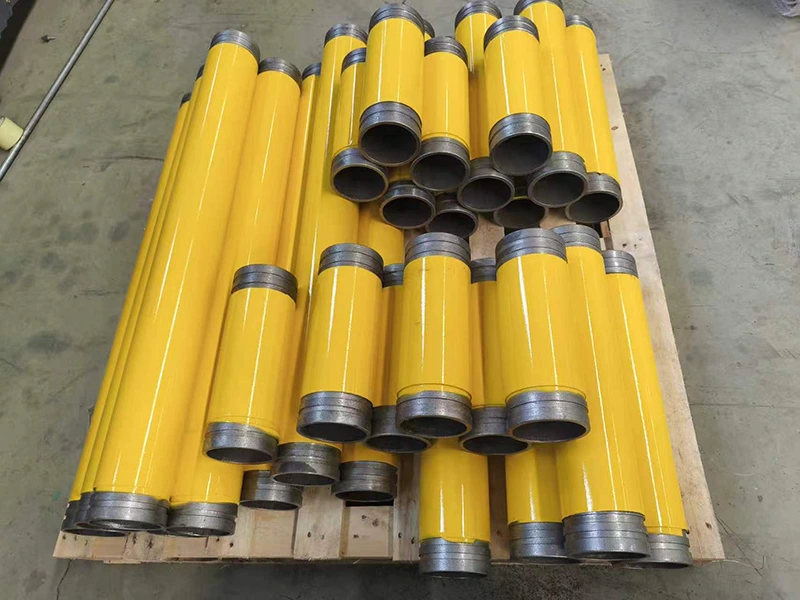
The reason why steel pipes are still widely used is that mine operators and processing units are familiar with its performance. Steel pipes have high rigidity and good resistance to external shocks. Channeled steel pipes can be processed according to the on-site route, and grooved or flanged connections are convenient for segmented installation. Pumping stations, valve components, open-air areas and positions with strong support conditions are usually suitable for using steel pipes.
The main cost of steel pipes is the large weight. In the underground environment, the transportation, counterpart, correction and support of steel pipes require more manpower and equipment. If the anti-corrosion layer is damaged, the steel pipe is prone to corrosion. In the mine slurry pipeline, the inner wall of the elbow, variable diameter and fluid turbulence area may wear faster. Therefore, these positions should be included in the inspection and replacement plan at the pipeline design stage, rather than wait until the first failure occurs.
2. Steel Wire Reinforced Composite Polyethylene Pipe (SRCP)
The design goal of SRCP is to reduce the burden of steel pipe installation and transportation while providing a higher pressure bearing capacity than ordinary PE pipes. According to the product manual provided, the product adopts the inner and outer PE100 layers, with a cross-woven steel wire reinforcement layer in the middle. The maximum pressure level given in the manual can reach 7 MPa, and the weight can be reduced by about 65% to 75% compared with Schedule 80 steel pipes.
For mining projects, the weight difference is very important. Lighter pipes may reduce dependence on large lifting equipment, and it is also convenient for construction workers to carry shorter pipe sections underground. The standard lengths listed in the product manual include 5.8 meters, 3 meters and 1 meters, and some specifications can use Victaulic grooved pipe joints.
SRCP is suitable for many underground pipeline sections, especially for projects that attach importance to construction safety and transportation efficiency. However, the actual selection still needs to confirm whether the pressure level, joint form, support method and the specific working conditions of the pipeline match.
3. Steel-lined rubber flange pipe
The steel-lined rubber flange pipe is composed of a rigid steel shell and a rubber lining in contact with the medium. The steel pipe body provides structural strength, while the rubber lining is used to improve the wear resistance and cope with some chemical medium environments. The flange end is suitable for the connection positions of pumps, valves, pipes and equipment that need to be disassembled or recalibrated.
This kind of slurry pipe components are usually used for connection points, not for every section of a whole long-distance pipeline. Its service life depends on the rubber formula, lining thickness, bonding quality and slurry chemical properties. Daily inspection should focus on lining delamination, flange leakage, and local wear of flowing to change position.
Compared with lightweight mining pipes, rubber-lined steel pipes usually require more support and installation input. But in areas where reliable steel connections and protected inner walls are required, it still has high practical value.
4. Wear-resistant composite pipe
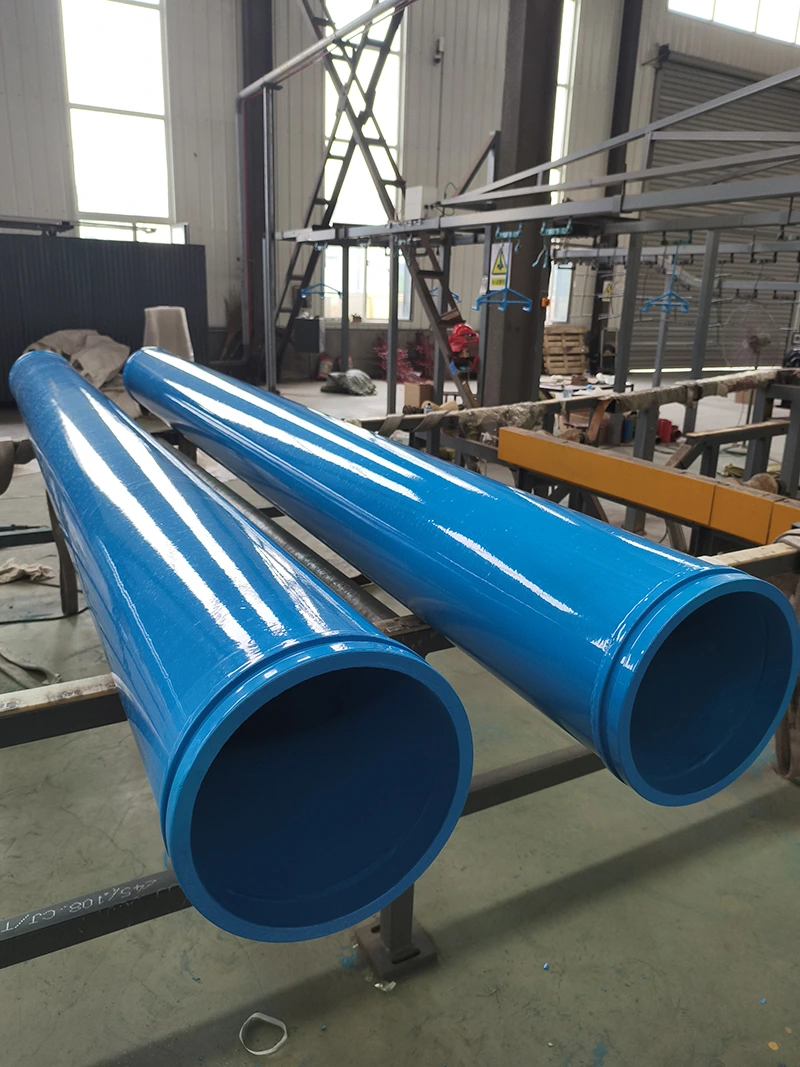
When pipe wear is the main problem, wear-resistant composite pipes may bring better full-life performance than ordinary steel pipes or unlined composite pipes. Its structure usually includes an external load-bearing layer, an enhanced layer and a special wear-resistant inner layer. The product manual provided introduces a wear-resistant SRCP product suitable for highly abrasive filling slurry.
The smooth inner wall helps to reduce conveying resistance and scale. According to the product manual, the conveying capacity of this series of products may be increased by 20% to 30% compared with traditional pipelines, but the actual results still depend on the slurry characteristics and system design. The manual also introduces its corrosion resistance and the characteristics of maintaining stable performance in underground low-temperature environments.
Wear-resistant composite pipes are especially worth considering in sections where elbows, vertical drop sections, discharge points and concentrated flushing of solid particles. For long-distance mining pipelines, instead of using the same high-cost wear-resistant material throughout the line, it is better to only configure wear-resistant pipe sections in the really needed position, which is usually more economical.
Practical pipe selection method
A set of reliable mining pipeline solutions needs to consider both hydropower design and post-maintenance. First confirm the pressure level and pipe diameter, and then evaluate the connection method, pipe weight, support spacing, elbow arrangement, valve position and replacement channel. The material selection requirements of the mine water pipeline and the paste filling pipeline may be different, because the solid content and wear mechanism of the two are different.
The pipeline transportation scheme should also consider the construction channel, commissioning process and emergency isolation measures. For large-scale industrial mine pipelines, suppliers should be able to provide pressure data, lining data, joint compatibility and installation guidance. Qualified mine pipeline manufacturers or suppliers should also understand how pipelines are transported, installed and maintained underground.
Conclusion
Steel pipes are suitable for areas that are prone to external shocks and strong support conditions. SRCP provides a good balance between pressure bearing capacity and installation weight. Steel-lined rubber flange pipe is suitable for equipment connection positions and sections that need to protect the inner wall. Wear-resistant composite pipes are more suitable for the condition that slurry wear directly affects the maintenance cost.
Reliable mine pipeline systems should not be simply selected according to the name of the material, but should be configured according to the pressure, solid particles, route conditions and maintenance requirements of each section of the mine. Using this method, safer installation results and more predictable service life can usually be obtained.