Reliable mining backfill pipeline performance depends on more than pipe material alone. Slurry characteristics, routing, fittings, joints, valves, and maintenance access all influence how a system performs underground. A well-considered design can help project teams manage abrasion, pressure changes, blockage risks, and difficult maintenance conditions.
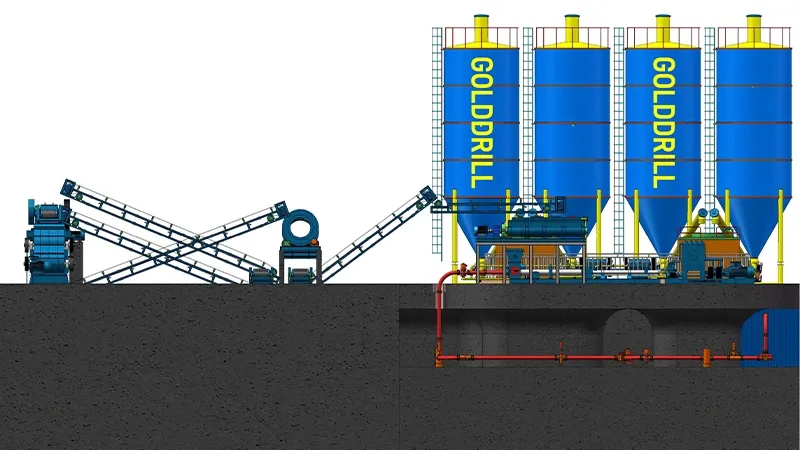
Why mining backfill pipelines need careful planning
Backfill and slurry lines may carry tailings, paste, water, or other process materials containing solid particles. The operating conditions vary by project, so equipment should be selected against the actual material properties, flow requirements, pressure conditions, and pipeline route.
Common design considerations include:
Abrasion: Bends, tees, reducers, and direction changes deserve particular attention because the flow path changes at these locations.
Pressure and blockage: Changes in flow or material condition can affect system pressure. A design should account for operating conditions and provide a suitable approach to isolation, inspection, and maintenance.
Underground access: Space constraints can make installation and replacement challenging, so joint accessibility and maintainable components matter.
1. Match pipe selection to the duty
Before choosing a mining pipe, establish the service conditions: conveyed material, particle characteristics, flow rate, working pressure, temperature, route, and installation environment. Depending on the application, a project may consider coated steel pipe, wear-resistant pipe, or composite pipe solutions.
No single pipe material suits every mine: highly abrasive slurry and tailings generally favor wear-resistant pipes or rubber-lined steel; long-distance, high-pressure duties often justify composite pipe solutions; corrosive media point toward PE100 or internally coated steel pipes. Confirm the selected product’s dimensions, materials, pressure suitability, coating or lining details, and connection method against the project specification and manufacturer documentation.
2. Pay attention to fittings and wear-prone areas
Elbows, tees, reducers, and transitions change the direction or geometry of the flow path. These components should be included in the system-level review rather than treated as minor accessories.
Where practical, simplify the route and avoid unnecessary changes in direction or diameter. Also consider how high-attention components can be inspected and replaced without excessive dismantling.
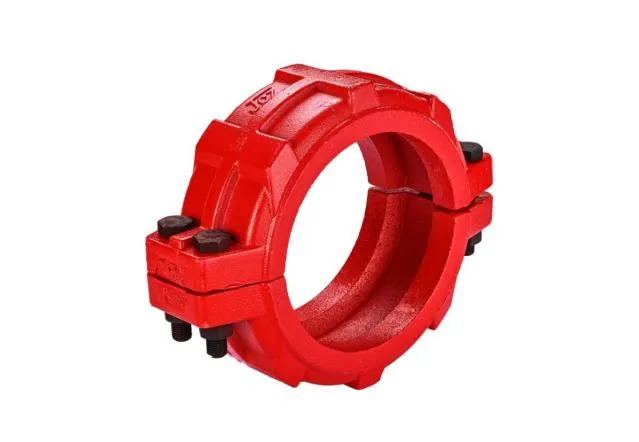
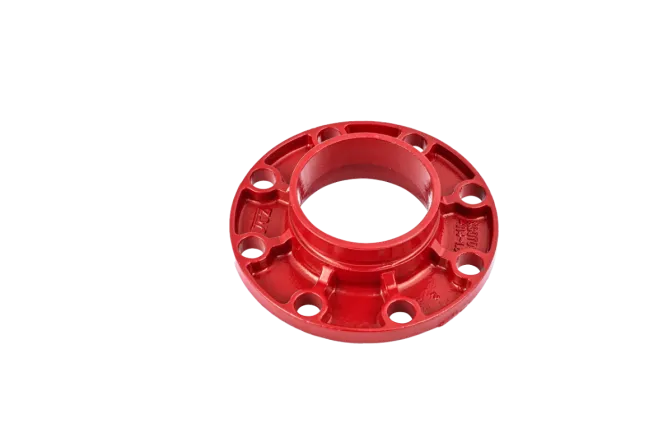
3. Choose pipe couplings for the complete connection
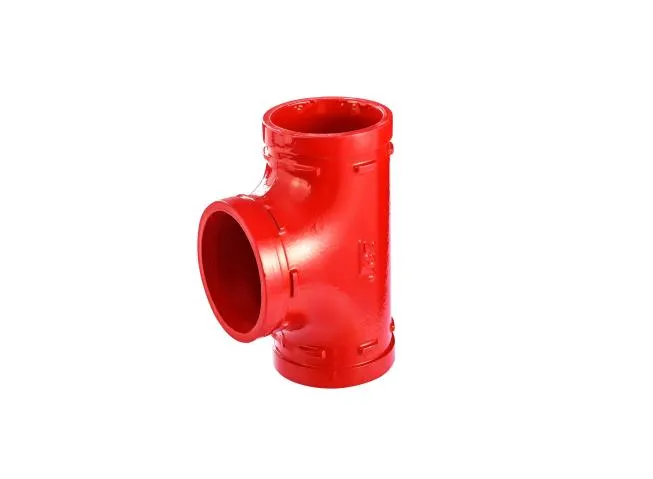
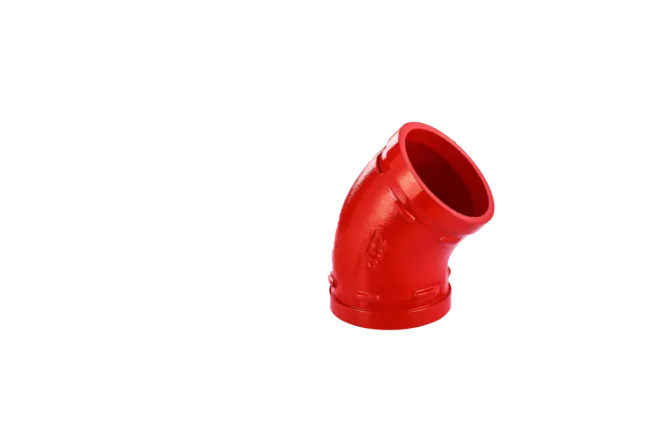
Grooved couplings and other mechanical joints can support installation and maintenance needs in suitable systems. Flexible grooved couplings absorb limited angular deflection and axial movement, rigid grooved couplings keep straight runs aligned, and quick-connect couplings allow fast assembly and dismantling in pits, pump stations, and mobile pipeline sections. Selection should consider pipe dimensions, pressure requirements, gasket compatibility, alignment, movement, and site conditions.
A coupling should be evaluated as part of the complete joint assembly—not by its name alone. Check the housing material, gasket compound, bolt grade, groove dimensions, and pressure rating: grooved couplings are commonly offered in sizes DN25–DN300 with working pressures up to 6.3 MPa, and higher ratings up to 40 MPa are available on request for high-pressure emulsion supply systems. Verify product specifications and confirm that the joint arrangement is appropriate for the pipeline’s design and operating conditions.
4. Select valves for isolation and flow control
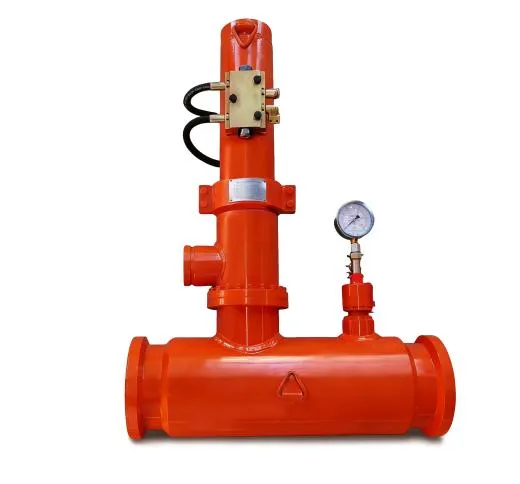
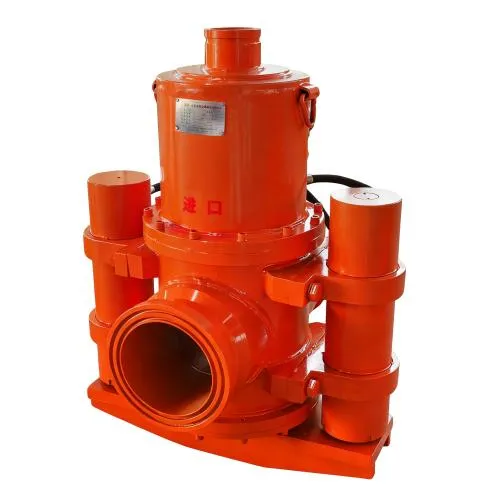
Valves help operators isolate sections of a pipeline and manage flow. In mining service, typical selections include slurry and knife gate valves for abrasive media, gate and globe valves for water lines, and check valves to protect pumps—matched to the pipeline pressure class. The appropriate valve type and configuration depend on the conveyed medium, pressure, location, and operating requirements. Confirm the product’s intended service and technical data before specifying it for a project.
Product solutions from Shandong GOLDDRILL Metal Products Co., Ltd.
Shandong GOLDDRILL Metal Products Co., Ltd. presents products for mining pipeline and industrial fluid-transport applications. Its website lists four relevant product groups:
Pipe joining products: grooved, flexible, rigid, and quick-connect pipe joints in sizes DN25–DN300, with standard working pressures up to 6.3 MPa (up to 40 MPa for high-pressure emulsion systems on request).
Mining pipe fittings: elbows, tees, reducers, and other fittings.
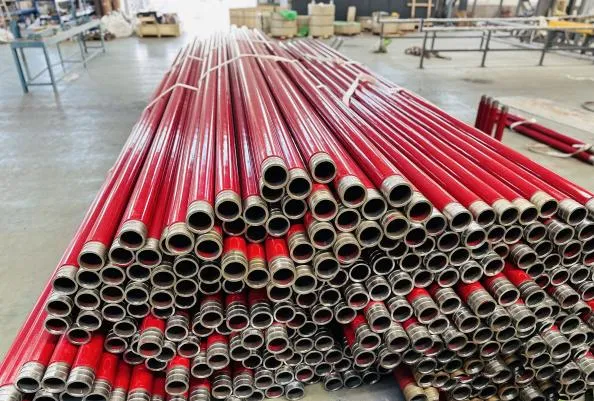
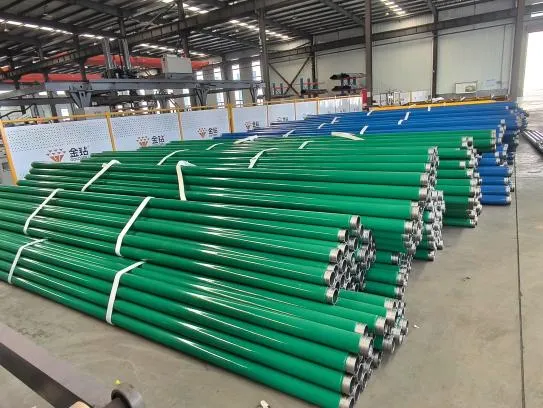
Pipes: coated steel pipes, wear-resistant pipes, and composite pipe solutions for abrasive slurry, backfill, and water service.
Flow-control products: grooved gate valves, globe valves, and other pipeline valves.
These products can be considered as components of a broader mining pipeline solution. Final selection should be based on the project’s technical requirements and confirmed product documentation. Visit the GOLDDRILL product catalogue to review the company’s product information
Frequently asked questions
What products are used in a mining backfill pipeline?
A system may include pipes, couplings, fittings, and valves. The exact product mix depends on the material being conveyed, the pipeline layout, pressure requirements, and maintenance plan.
Are grooved couplings suitable for every slurry pipeline?
Not necessarily. Suitability depends on the coupling design, pipe ends, pressure and movement conditions, gasket compatibility, and the system specification. Flexible grooved couplings typically allow a few degrees of deflection and a few millimeters of axial movement (depending on size), which helps absorb vibration and minor misalignment; very high-pressure or highly abrasive lines may instead require welded, flanged, or specially rated joints. Confirm these details with the manufacturer and project engineer.
Which pipe is best for mine slurry transport?
There is no universal answer, but a practical screening works like this: highly abrasive tailings and slurry favor wear-resistant pipes or rubber-lined steel; high-pressure, long-distance duties favor composite pipe solutions; corrosive or low-temperature service favors PE100; standard water and backfill lines often use coated steel pipes. Pipe selection depends on the slurry, particle characteristics, pressure, route, installation conditions, and the project’s maintenance strategy. Evaluate options using confirmed technical data.
Grooved coupling vs flanged connection: which is better for underground mines?
Grooved couplings are generally faster to install and easier to dismantle in confined underground spaces, which reduces downtime during maintenance. Flanged connections remain common where high rigidity or existing flanged equipment is involved. The right choice depends on pressure class, pipe material, and the maintenance plan.
How long does a carbon steel slurry pipeline last?
In abrasive slurry service, unprotected carbon steel pipelines commonly last about 12–18 months at bends and high-velocity sections. Wear-resistant pipes, rubber-lined components, and composite solutions are used to extend service life and reduce replacement downtime; actual life depends on particle size, velocity, and duty cycle.
Conclusion
A dependable mining backfill pipeline starts with a clear understanding of the duty and a system-level approach to pipes, fittings, couplings, and valves. By reviewing abrasion-prone locations, connection requirements, and maintenance access early, project teams can make more informed equipment decisions.
Shandong GOLDDRILL Metal Products Co., Ltd. offers mining pipeline products including pipes, fittings, grooved couplings, and valves. Contact the company through our grooved couplings and mining pipeline catalogue to discuss project requirements and verify product specifications.