Quick answer: Neither is universally better. Steel wins where pressure is high, loads are mechanical, or temperatures fluctuate. HDPE wins where corrosion, weight and installation speed dominate. Most real mining systems use both — the decision comes down to conveyed medium, working pressure and lifecycle cost. Written by Shandong GoldDrill, a manufacturer supplying both.
Choosing between steel and HDPE (high-density polyethylene) shapes pressure capability, service life, installation cost and maintenance for years. This comparison is written from a manufacturer's side: what we see across mining water supply, backfill, slurry and emulsion supply projects.
1. Key Differences at a Glance
|
Factor |
Steel pipe |
HDPE pipe |
|
Working pressure |
Very high achievable with the right wall thickness and grade — e.g. 6.3 MPa standard mining range, up to 40 MPa emulsion supply lines |
Set by SDR grade; common PN10–PN25 (1.0–2.5 MPa); derates as temperature rises |
|
External loads |
Rigid; resists rock loads and equipment traffic |
Flexible, but needs support and backfill discipline |
|
Corrosion |
Requires coating, lining or corrosion-protected construction |
Immune to electrochemical corrosion |
|
Abrasion |
Wear-resistant and lined (ceramic / rubber / stainless) grades available |
Good abrasion behaviour within its slurry envelope |
|
Weight & installation |
Heavy; welded, flanged or grooved joints |
Light; heat-fusion, fast on rough terrain |
|
Temperature |
Stable across a wide range |
Pressure derating above ~20 °C |
Rule of thumb: choose by conveyed medium and working pressure first, not by material loyalty.
2. When Steel Wins
High-pressure lines. Hydraulic fluid and emulsion supply systems run up to 40 MPa — beyond common HDPE grades.
Mechanical load zones. Underground drifts with rock movement and equipment crossings favour rigidity.
Elevated or fluctuating temperatures, where HDPE must be derated.
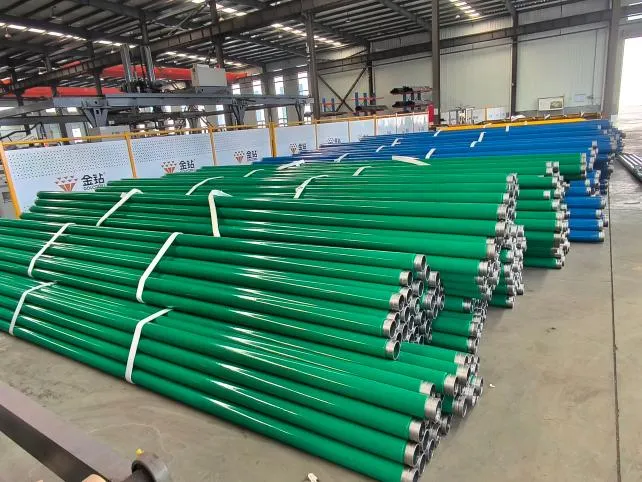
Severe abrasion. Wear-resistant and composite lined steel pipes (including stainless-lined pipe for remote fluid supply) hold wall tolerance where softer materials thin out.
Fabrication. Elbows, tees, reducers and flanged spools manufactured to project drawings.
3. When HDPE Wins
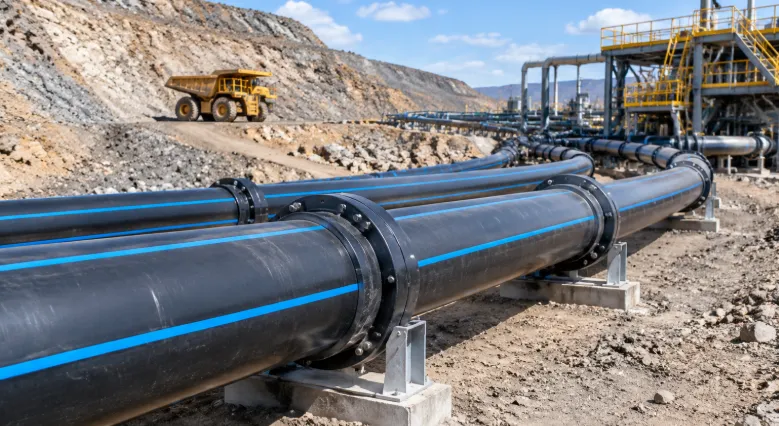
Mine service water and process water within the pressure rating.
Corrosive ground or corrosive conveyed media.
Tailings and slurry duties where velocity and particle size sit inside HDPE's wear envelope.
Long routes over uneven terrain — fused joints, no corrosion protection to maintain.
4. The Real Decider: 10-Year Cost
Purchase price is the smallest line item. Compare over the pipeline's life:
|
Cost component |
Steel |
HDPE |
|
Material |
Lower per tonne, but heavier |
Higher per metre in large DN, but light |
|
Freight |
Significant (weight) |
Low |
|
Installation |
Welding / flanging crews, lifting gear |
Fusion crews, faster on rough ground |
|
Maintenance |
Coating and lining renewal, corrosion monitoring |
Low while within rating |
|
End of life |
High scrap value |
Low |
In slurry duty, abrasion life dominates the table: a lining selected for the actual particle size and velocity can outlast multiple unlined systems. Get wear-rate data for your medium before comparing quotations.
5. Before You Buy: 7 Checks
Conveyed medium — water, slurry, tailings, backfill or emulsion
Working and test pressure, including fluctuations
DN, OD, wall thickness and applicable standard
Medium and ambient temperature
Abrasion conditions — particle size, hardness, velocity
Installation environment — access, external loads, joining method
Lifecycle cost, not unit price
Mining Pipe Systems from Shandong GOLDDRILL
Shandong GoldDrill Metal Products Co., Ltd. manufactures both sides of this comparison:
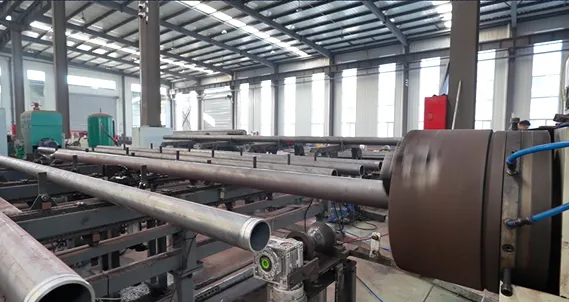
Mining coated composite steel pipe — corrosion-protected steel pipe for high-pressure and mechanically loaded duties.
Stainless steel lined pipe — for mining remote fluid supply lines.
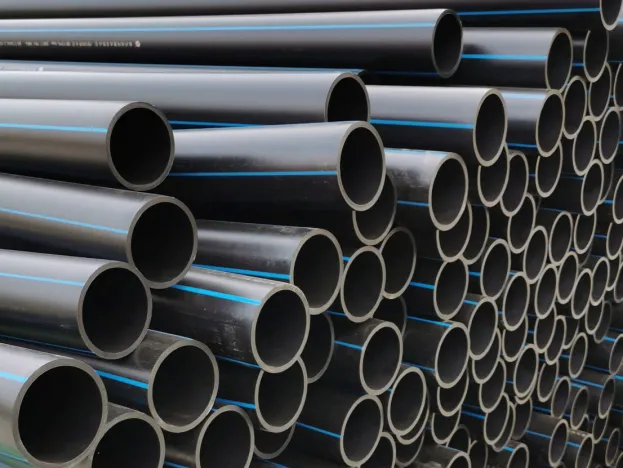
HDPE pressure pipe for mining — fused, corrosion-free water and slurry lines.
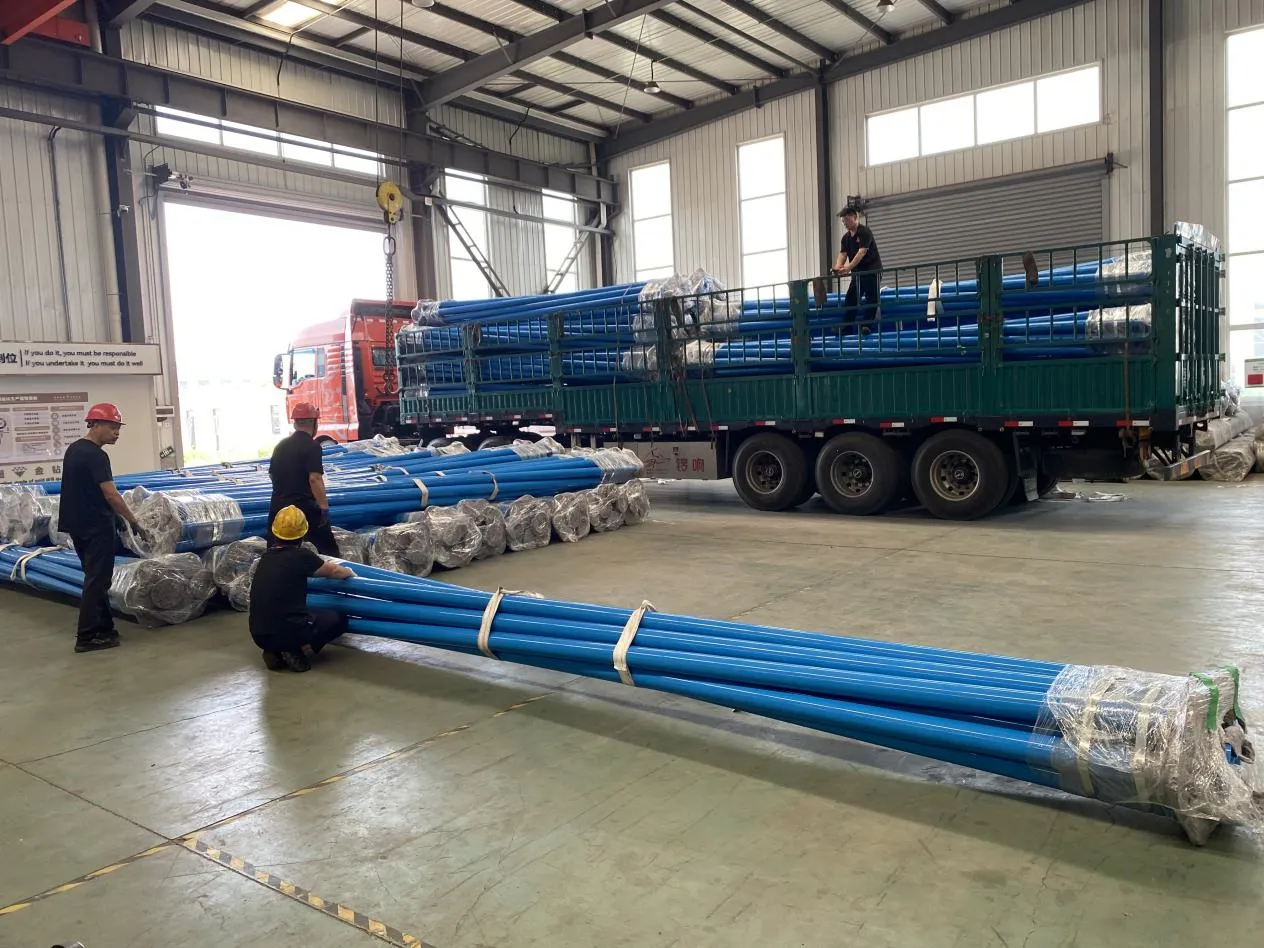
Because we supply steel pipes, HDPE pipes, grooved couplings, pipe fittings and industrial valves (DN25–DN300 standard range), mixed-material systems come from one factory — one certificate chain, one transition-fitting responsibility. See the GOLDDRILL solutions page or contact us for a project review.
FAQ
Can HDPE replace steel in slurry lines?
Often yes for lower-pressure, lower-velocity duties; severe abrasive service still favours lined steel. Compare wear rates for your actual slurry, not brochures.
Which SDR should I choose for mining water supply?
Match SDR to working pressure and temperature (SDR 11 ≈ PN16 at 20 °C), then derate above 20 °C per the pipe standard.
Does HDPE handle high pressure?
Common grades reach PN25 (2.5 MPa). Duties such as 6.3 MPa mining systems and 40 MPa emulsion supply lines require steel or composite construction.
How do you connect steel pipe to HDPE pipe?
With engineered transition fittings — flange adapters, grooved transition couplings or mechanical joints designed for OD, stiffness and thermal movement differences. This joint is where most mixed systems fail. Engineer it; don't improvise it.
Which lasts longer in tailings service?
Whichever wall matches the actual wear regime. Velocity control and lined steel usually outlast unlined HDPE in coarse, high-velocity tailings.