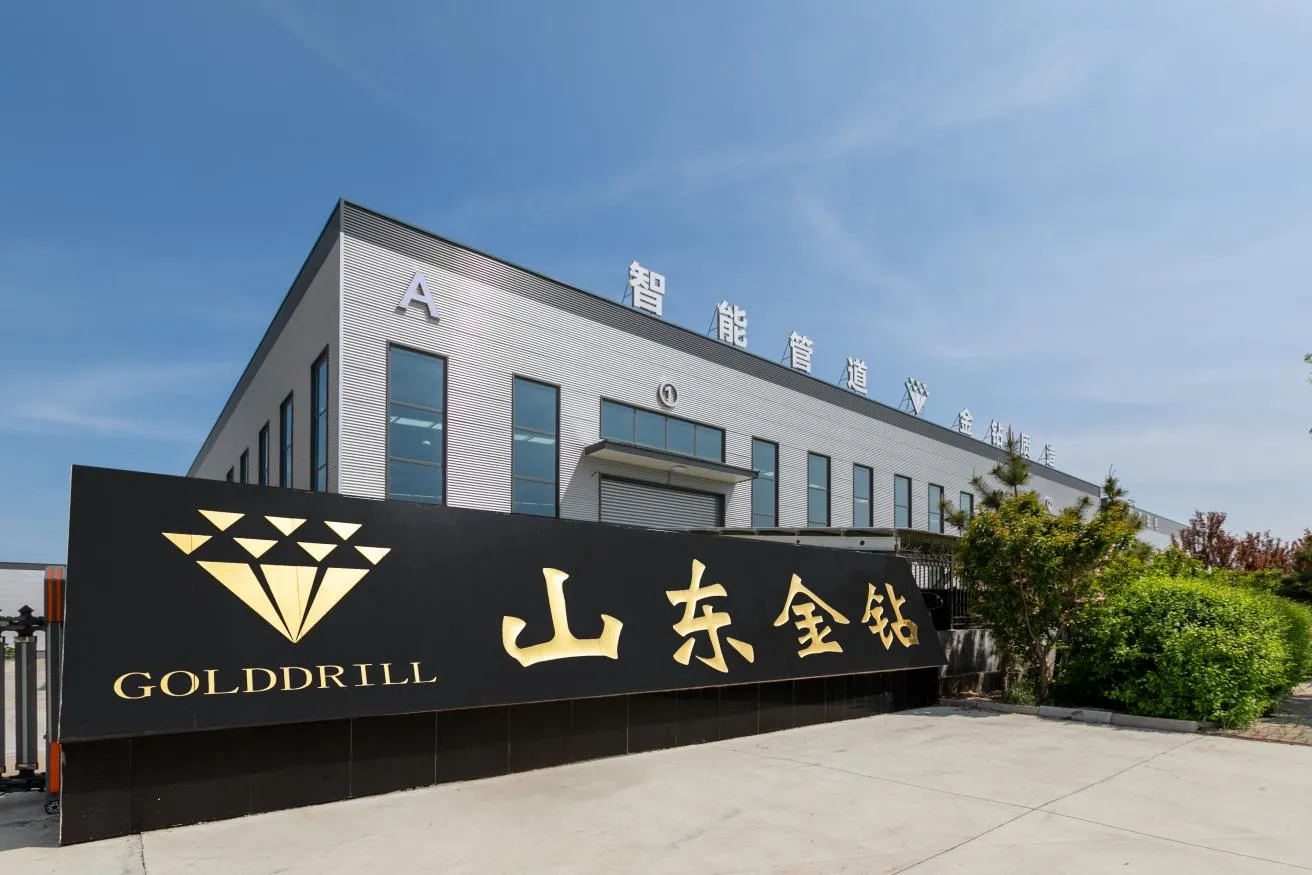
Quick answer: MA and KA are China's mandatory safety marks for mining products — MA for coal mines, KA for metal and non-metal mines. They prove a specific product model passed national type testing and a factory audit, and are legally required inside China. They are not an international certification, not factory-wide quality coverage, and not a substitute for EN 10204, SANS, CE or destination-country approvals. Written by Shandong GoldDrill, a mining pipe systems manufacturer holding both marks.
Suppliers present the hexagonal MA or KA logo as proof of quality; some buyers dismiss it as "just a Chinese domestic certificate". Both readings miss the point. Here — from inside the system — is what the marks certify, what they deliberately do not cover, and how to use them in supplier due diligence.
1. What MA and KA actually are
China requires certified products for items on the national mining management catalogue, under the National Mine Safety Administration. Mines must buy certified products; manufacturers must not sell catalogue items without the mark. The two marks are not interchangeable:
|
|
MA |
KA |
|
Applies to |
Coal mines — underground, open-pit, preparation plants |
Metal & non-metal mines — iron, copper, gold, limestone, etc. |
|
Technical focus |
Explosion protection (methane, coal dust), flame-retardancy, anti-static |
Mechanical safety — structural strength, enclosure protection, rockfall/dust/water hazards |
|
Key standards |
GB 3836 series, MT coal-industry standards |
GB, AQ and KA-series standards |
|
Exchange rule |
Can convert to KA via a simplified procedure |
Cannot be used underground in coal mines; converting to MA requires full re-testing |
Both marks share the same process: application → technical review → type testing → factory audit → certificate, valid for five years with annual supervision. The mark must be affixed to the certified product itself.
2. What the approval genuinely tells you
The factory is a real manufacturer under state supervision. Trading companies cannot obtain the mark for products they do not make.
The specific model passed national type testing at government-accredited laboratories — not the supplier's own workshop report.
The product is traceable. Every certificate carries a verifiable number, and annual supervision means a live certificate reflects ongoing compliance.
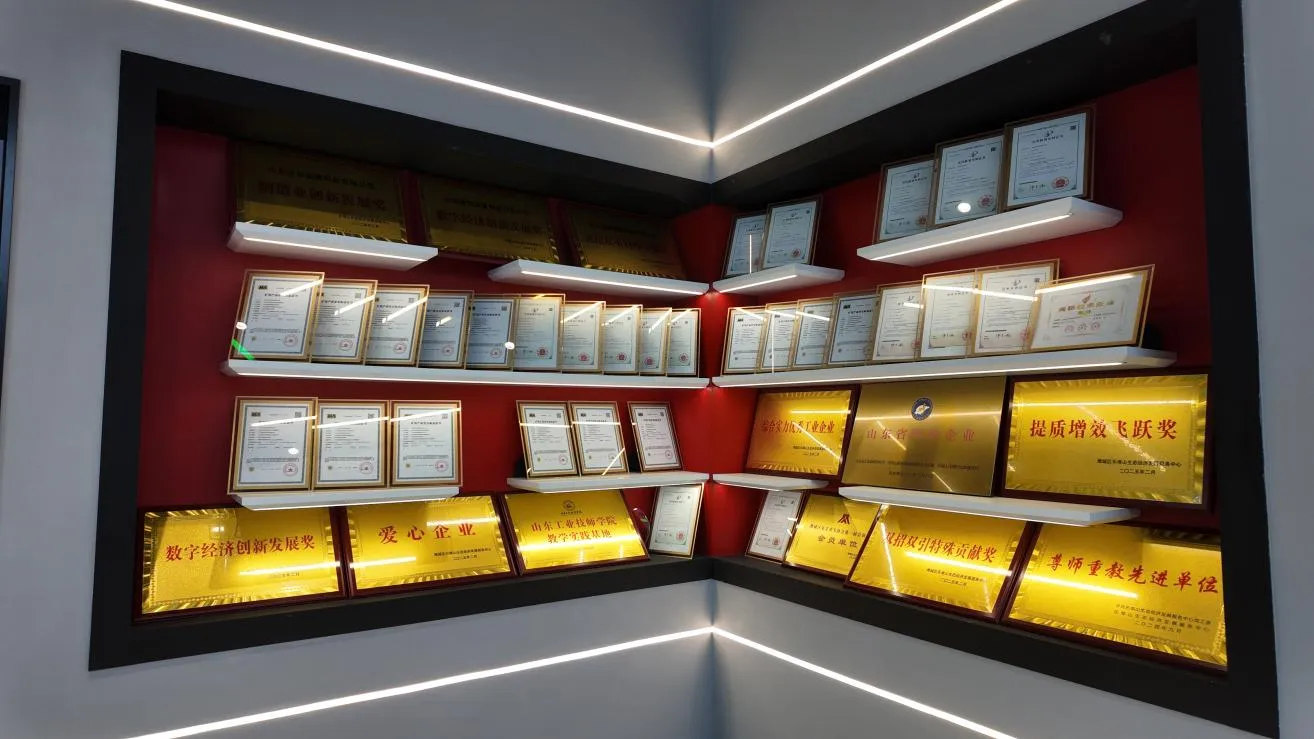
A note from our own certificate wall. GoldDrill supplies both coal-mine and metal/non-metal-mine customers, so we maintain both marks in parallel — MA for coal-mine models, KA for metal/non-metal-mine models. When a customer asks "do you have the certificate?", our first question back is "which mine type?" — the honest answer differs by mark.
3. What it does NOT cover — the four boundaries
1. Not an international certification. MA/KA has no formal standing with SANS, CE, EAC or SASO. For those projects, the route is third-party inspection (SGS/BV) plus EN 10204 3.1 certificates — not a printed Chinese certificate.
2. Model-specific, not factory-wide. Always match the model on the certificate against the model on the proforma invoice — a mismatch is the most common issue buyers find when auditing Chinese suppliers.
3. Not a batch quality guarantee. The mark certifies type-testing and a factory audit — not every shipment. Still require EN 10204 3.1 mill certificates, hydrostatic tests and pre-shipment inspection for critical orders.
4. Many pipe products are not in the catalogue. The catalogue focuses on electrical, ventilation, hoisting and monitoring items; many surface-side fittings, clamps and couplings are not listed, so a supplier without MA/KA for them is not necessarily non-compliant. In a GoldDrill quotation, every catalogue item is marked MA, KA or "outside catalogue".
4. Verify a supplier's certificate in five minutes
Ask for the certificate copy, not a photo of the logo — it should show number, model, manufacturer, issuing body and validity dates.
Match the manufacturer name against the proforma invoice; if buying from a trader, confirm which factory holds the mark.
Match the model number — certificate model ≠ quotation model is a red flag.
Check validity and verify the number with the issuing body before signing.
5. How we use MA/KA in our own quotations
Shandong GoldDrill Metal Products Co., Ltd. manufactures mining pipe systems — couplings, clamps, corrosion-protected steel pipes, HDPE and wear-resistant pipes, industrial valves (DN25–DN300 at 6.3 MPa; emulsion supply line to 40 MPa). We hold both marks: MA for coal-mine models, KA for metal/non-metal-mine models. Every quotation states which models carry which mark, with certificate number, validity and issuing body, plus EN 10204 3.1 certificates, hydrostatic reports and SGS/BV inspection on request.
Ask us for the certificate package — MA copies, KA copies, ISO 9001 and sample EN 10204 3.1 documentation — we send it with every quotation, not after you chase it. Request the certificate package →
FAQ
Is a Chinese MA/KA certificate valid outside China?
No. It is a domestic mark. Its value abroad is as evidence of a state-supervised factory audit and accredited type testing.
What is the difference between MA and KA?
MA covers coal mines (explosion protection); KA covers metal and non-metal mines (mechanical safety). KA may not be used underground in a coal mine; MA converts to KA via a simplified procedure.
If a product has no MA/KA mark, is the supplier non-compliant?
Not necessarily — only catalogue items require the mark, and many surface-side fittings are not listed. The real red flag is vague claims like "fully certified".
We buy through a trading company — whose certificate applies?
The mark belongs to the manufacturing entity. Confirm which factory holds it and that the invoice chain identifies the actual manufacturer.
Does Shandong GoldDrill hold both MA and KA?
Yes — MA for coal-mine models, KA for metal/non-metal-mine models. Certification being model-specific, request the certificate package and you will receive copies for the exact models in your quotation.